

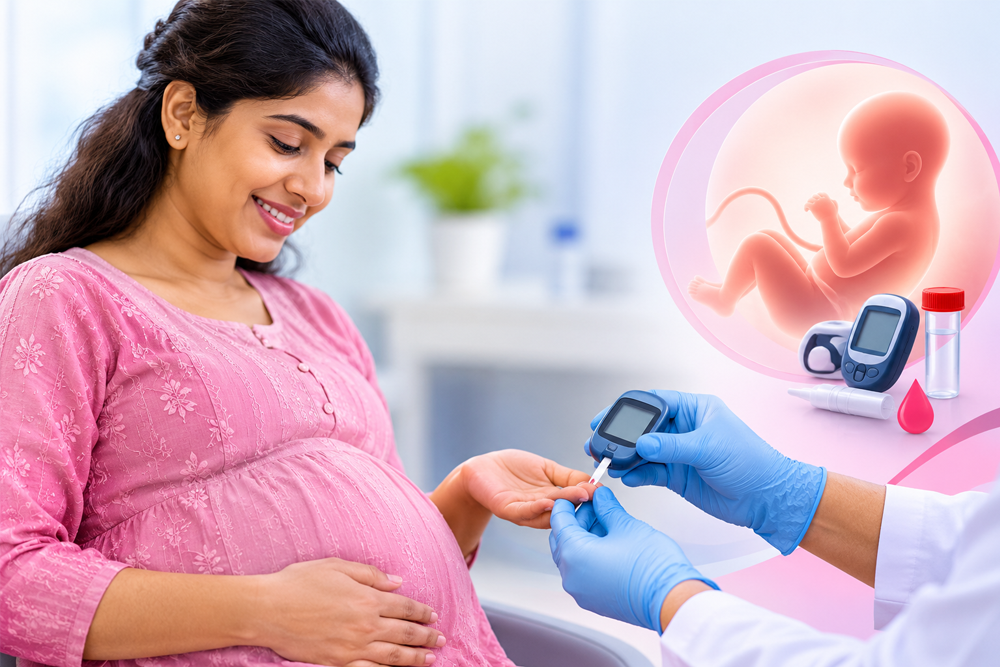
Gestational diabetes in pregnancy occurs when blood glucose (sugar) levels become higher than normal during pregnancy in a woman who did not previously have diabetes diagnosed. This happens when the body cannot produce enough insulin or use it effectively to meet the increased demands of pregnancy.
Although gestational diabetes may not cause noticeable symptoms, it can affect both the mother and the developing baby if blood sugar levels remain uncontrolled. The good news is that with timely gestational diabetes screening, regular monitoring, appropriate nutrition and medical care, most women can manage the condition and have healthy pregnancies. Understanding the symptoms, screening process, possible risks and management options can help expectant mothers take the right steps towards a safer pregnancy.
What Is Gestational Diabetes in Pregnancy?
What Are the Symptoms of Gestational Diabetes?
- Increased thirst.
- Frequent urination beyond what is commonly experienced during pregnancy.
- Unusual tiredness.
- Increased hunger.
- Blurred vision.
- Recurrent urinary or vaginal infections.
Who Is at Risk of Developing Gestational Diabetes?
Gestational diabetes can develop in any pregnant woman. However, certain factors may increase the likelihood of developing the condition. These include:
- Being overweight or having obesity before pregnancy.
- Having a previous history of gestational diabetes.
- Having a family history of type 2 diabetes.
- Having previously delivered a baby with a high birth weight.
- Having polycystic ovary syndrome (PCOS).
- Having previously elevated blood glucose levels.
- Being above 25 years of age, although gestational diabetes can occur at any age.
Women without any known risk factors can also develop gestational diabetes. This is why routine screening is recommended during pregnancy.
What Is Gestational Diabetes Screening and When Is It Done?
When Should Screening Be Done?
What Tests Are Used to Diagnose Gestational Diabetes?
1. Oral Glucose Tolerance Test (OGTT): This test measures how the body processes glucose. The woman is given a glucose drink, and blood glucose levels are measured at specified intervals.
2. DIPSI Test: The Diabetes in Pregnancy Study Group India (DIPSI) approach uses a 75-gram glucose drink, followed by a blood glucose measurement after two hours. It can be performed without fasting and is commonly used in Indian antenatal care.
3. Fasting Blood Glucose Test: A fasting blood sample may be used to assess glucose levels, particularly when screening for previously undiagnosed diabetes or evaluating abnormal glucose levels.
What Are the Risks of Gestational Diabetes for the Mother and Baby?
When blood glucose levels remain high during pregnancy, excess glucose can cross the placenta and affect the baby’s growth and development. Early diagnosis and appropriate gestational diabetes management can significantly reduce the risk of complications.
Risks for the Mother: Gestational diabetes may increase the likelihood of:
- High Blood Pressure: Increased risk of developing pregnancy-related hypertension.
- Preeclampsia: A pregnancy complication involving high blood pressure and possible damage to other organs.
- Increased Birth Complications: A larger baby may make vaginal delivery more difficult and increase the possibility of requiring a caesarean section.
- Future Type 2 Diabetes: Women who develop gestational diabetes have a higher risk of developing type 2 diabetes later in life.
- Recurrence in Future Pregnancies: There is an increased chance of developing gestational diabetes again in subsequent pregnancies.
Risks for the Baby: Uncontrolled gestational diabetes may increase the risk of:
- Macrosomia: The baby may grow larger than expected due to increased glucose exposure.
- Neonatal Hypoglycaemia: The baby’s blood sugar may become low after birth.
- Breathing Difficulties: Some newborns may experience respiratory complications.
- Jaundice: The baby may develop elevated bilirubin levels after birth.
- Birth Injuries: Larger babies may have an increased risk of shoulder-related birth injuries during delivery.
- Stillbirth: Poorly controlled diabetes can increase the risk of serious pregnancy complications, including stillbirth.
These risks do not mean that every woman with gestational diabetes will experience complications. Proper monitoring and treatment help improve outcomes for both mother and baby.
How Is Gestational Diabetes Managed During Pregnancy?
Effective gestational diabetes management focuses on maintaining blood glucose levels within the target range recommended by the treating doctor. The treatment plan is individualised according to glucose readings, pregnancy progress, maternal health and the baby’s growth.
1. Follow a Balanced Pregnancy Diet: Nutrition plays an important role in controlling blood glucose levels. A dietitian or healthcare professional may recommend a personalised meal plan that includes:
- Whole grains and fibre-rich foods.
- Fresh vegetables and appropriate portions of fruits.
- Protein-rich foods such as pulses, lentils, eggs and dairy products.
- Healthy fats in moderate quantities.
- Regular meals with appropriate portion sizes.
Limiting sugary drinks, sweets, refined carbohydrates and highly processed foods can help prevent sudden increases in blood glucose levels. It is not advisable to skip meals or follow restrictive diets during pregnancy. Both the mother and baby need adequate nutrition.
2. Monitor Blood Glucose Levels Regularly: Women diagnosed with gestational diabetes may be advised to check their blood glucose levels using a home glucose monitoring device. Depending on the doctor’s instructions, monitoring may include:
- Fasting blood glucose.
- Blood glucose after breakfast.
- Blood glucose after lunch.
- Blood glucose after dinner.
Maintaining a record of these readings helps the doctor understand how the body responds to food, physical activity and medication.
3. Include Safe Physical Activity: Regular physical activity can improve insulin sensitivity and help regulate blood glucose levels. Depending on the pregnancy condition and medical advice, activities may include:
- Walking after meals.
- Gentle prenatal exercises.
- Pregnancy-safe stretching.
- Other low-impact activities approved by the doctor.
Women with high-risk pregnancies or medical restrictions should consult their obstetrician before starting an exercise routine.
4. Take Medication When Required: If diet changes and physical activity are not sufficient to maintain blood glucose levels, medication may be necessary. Insulin is commonly used when additional blood glucose control is required during pregnancy. In selected cases, oral medications such as metformin may also be considered under medical supervision. Medication should never be started, stopped or adjusted without consulting the treating doctor.
5. Attend Regular Antenatal Check-ups: Regular pregnancy monitoring helps assess both maternal health and the baby’s development. Depending on the patient’s condition, the doctor may recommend:
- Regular blood glucose reviews.
- Ultrasound examinations to monitor fetal growth.
- Assessment of amniotic fluid levels.
- Additional fetal wellbeing tests when indicated.
- Review of medication and nutritional requirements.
These assessments help the medical team plan the appropriate timing and method of delivery.
What Happens After Delivery?
Gestational diabetes often improves after childbirth because the hormonal changes associated with pregnancy begin to settle. However, women who have experienced gestational diabetes have a higher risk of developing type 2 diabetes in the future. Postpartum follow-up is therefore important.
Doctors generally recommend a blood glucose assessment around 4–12 weeks after delivery, often using a 75-gram oral glucose tolerance test. If the results are normal, continued screening every 1–3 years is recommended. Maintaining a balanced diet, regular physical activity and a healthy body weight can help reduce the future risk of diabetes. Breastfeeding, when possible, also offers health benefits for both mother and baby.
FAQs
Yes. Many women with gestational diabetes do not experience noticeable symptoms. This is why routine blood glucose screening during pregnancy is important, even when the mother feels healthy.
Yes. Uncontrolled blood glucose levels can cause the baby to grow larger than expected, a condition known as macrosomia. It may also increase the risk of low blood sugar and other complications in the newborn.
Many women can manage gestational diabetes through a balanced diet, regular physical activity and blood glucose monitoring. However, some women may require insulin or other prescribed medication to maintain healthy glucose levels.
In many cases, blood glucose levels return to normal after childbirth. However, women who have had gestational diabetes have a higher risk of developing type 2 diabetes later. Postpartum testing and regular health check-ups are important.
Yes. Gestational diabetes does not automatically mean that a caesarean section is necessary. The mode of delivery depends on blood glucose control, the baby's estimated weight, pregnancy progress and other obstetric factors.
Yes. Although excess body weight is a risk factor, gestational diabetes can develop in women with a healthy body weight due to hormonal, genetic and metabolic factors.
Having gestational diabetes in one pregnancy increases the likelihood of developing it again in a future pregnancy. Early screening and regular antenatal monitoring are therefore important in subsequent pregnancies.
Prioritise Your Health During Pregnancy
Gestational diabetes is a manageable pregnancy-related condition when identified early and monitored appropriately. Understanding gestational diabetes symptoms, undergoing timely screening and following the recommended treatment plan can help reduce complications for both mother and baby. Every pregnancy is different, and blood glucose levels need individual attention. Regular antenatal consultations, nutritional guidance, appropriate physical activity and medical support play an important role in maintaining a healthy pregnancy.
At Nandini Women’s Clinic, timely pregnancy screening, personalised guidance and continuous pregnancy care help expectant mothers manage health concerns at every stage of their journey. If you are pregnant or planning a pregnancy, consult your gynaecologist about the appropriate screening schedule and pregnancy care plan. A healthy pregnancy begins with timely screening, informed decisions and the right medical support.
